 Skip to main content
If you rarely use your fireplace because of Florida’s warm climate, you might be wondering: is chimney cleaning necessary in Florida? Many homeowners assume that since they don’t burn fires regularly, their chimneys don’t need maintenance. The truth is that Florida chimneys actually face unique challenges that make regular cleaning and inspection just as important—if not more so—than in colder climates.
At Chimney Fabrications & More, we help Florida homeowners throughout Northeast Florida understand why chimney maintenance matters even in the Sunshine State. Whether you use your fireplace occasionally during cool winter evenings or haven’t lit a fire in years, your chimney still needs attention to stay safe and functional. Let’s explore why chimney cleaning is essential in Florida and what happens when you skip this important maintenance.
Why Florida Chimneys Need Cleaning Despite Warm Weather
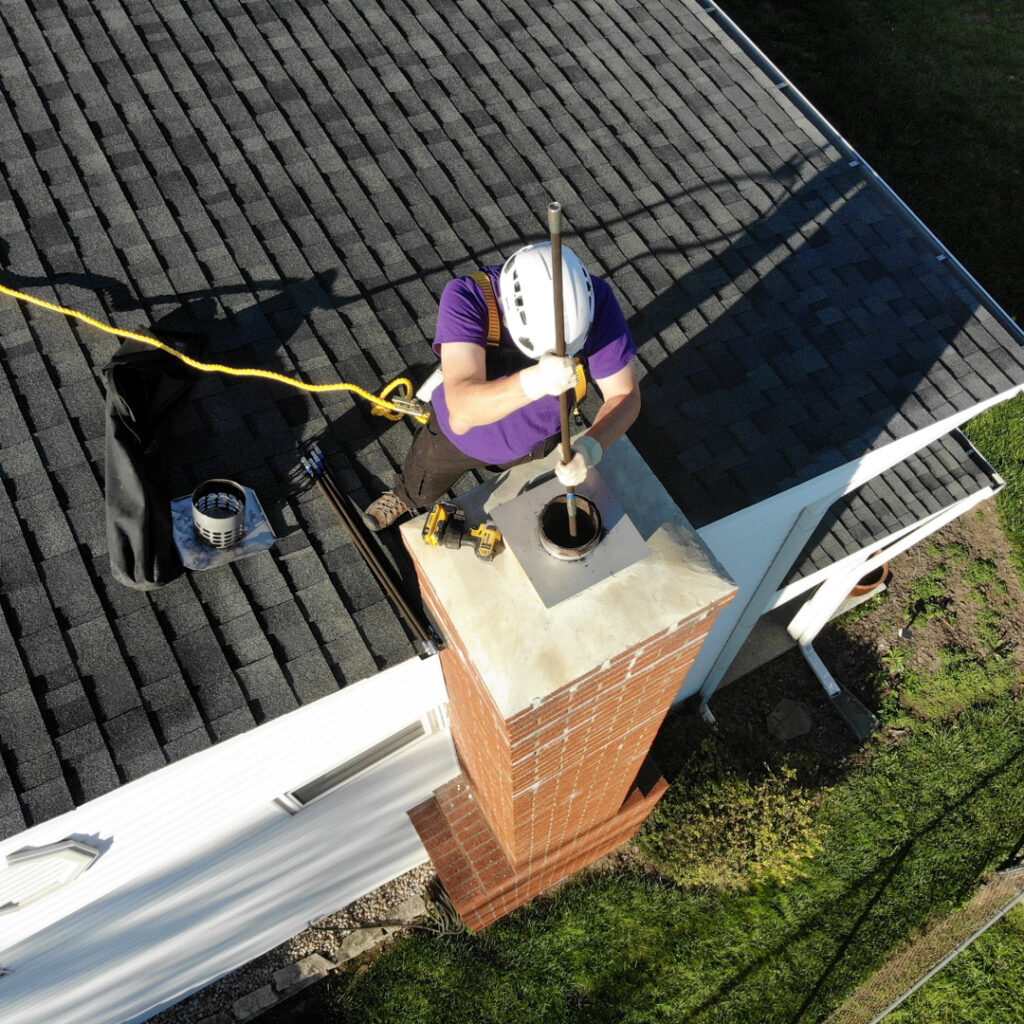
The misconception that Florida chimneys don’t need cleaning comes from the fact that we don’t use our fireplaces as frequently as homeowners in colder states. However, infrequent use doesn’t mean your chimney stays clean or safe.
Even if you only use your fireplace a few times per year, each fire produces creosote buildup inside your chimney flue. Creosote is a highly flammable tar-like substance that forms when wood smoke cools and condenses on chimney walls. Just a few fires can create enough creosote to pose a fire hazard. The less frequently you use your fireplace, the easier it is to forget about this accumulating danger.
Beyond creosote, Florida’s warm climate means animals stay active year-round looking for nesting sites. Birds, squirrels, raccoons, and even snakes find chimneys to be perfect shelters. Without regular inspections and cleaning, you might not discover these unwelcome residents until you try to light a fire and smoke backs up into your home—or worse, you unknowingly trap animals inside.
Florida’s humidity, frequent rainfall, and coastal conditions create moisture problems that don’t exist in drier climates. Water entering through damaged chimney caps or deteriorating crowns combines with soot and debris to create corrosive conditions that damage your chimney from the inside out. This moisture-related deterioration happens whether you use your fireplace or not.
What Happens During a Professional Chimney Cleaning
Understanding what chimney cleaning service involves helps you appreciate why it’s necessary even in Florida. A professional chimney sweep does much more than just remove soot.
The process starts with a thorough inspection of your entire chimney system, including the exterior chimney structure, chimney cap and crown, flashing and roofline connections, interior flue liner, damper operation, and firebox condition. This inspection identifies problems that homeowners typically can’t see without specialized equipment.
The actual cleaning removes creosote buildup from the flue liner, clears bird nests and animal debris, eliminates leaves, twigs, and other blockages, and removes soot and ash accumulation. Professional sweeps use specialized brushes, rods, and vacuum systems to clean thoroughly without making a mess in your home.
After cleaning, the technician provides a detailed report of the chimney’s condition, recommendations for any needed repairs, and guidance on safe fireplace operation. This comprehensive service ensures your chimney is safe to use and identifies small problems before they become expensive repairs.
How Often Should Florida Homeowners Clean Their Chimneys?
The National Fire Protection Association recommends annual chimney inspections for all chimneys, fireplaces, and vents regardless of how often they’re used. For Florida homeowners, here’s a practical guideline.
If you use your fireplace regularly during winter months (10 or more fires per season), you should have your chimney cleaned and inspected annually, typically before the start of the burning season in late fall. This ensures your system is safe before you begin using it.
For occasional users who light just a few fires per year, annual inspections are still recommended, with cleaning performed when creosote buildup or debris accumulation is detected. Even light use produces creosote, and Florida’s wildlife activity can create blockages between uses.
Even if you never use your fireplace, you should have your chimney inspected every 2 to 3 years. Non-use doesn’t prevent deterioration, water damage, or animal infestations. An inspection ensures your chimney structure remains sound and identifies any developing problems.
If your home has a gas fireplace, annual inspections are still important. Gas appliances produce less creosote than wood-burning fireplaces, but they can develop dangerous blockages, carbon monoxide risks from damaged venting, and mechanical problems with gas components. Many homeowners mistakenly believe gas fireplaces need no maintenance, which creates safety hazards. Call us today for Expert Fireplace Repairs in Amelia Island, Fernandina and Jacksonville, FL.
Unique Challenges for Florida Chimneys
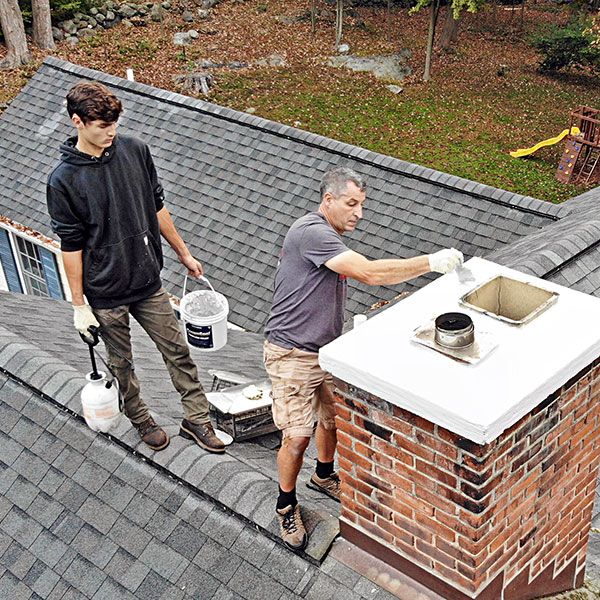
Florida’s climate and environment create specific chimney challenges that make regular cleaning and inspection especially important.
High Humidity and Moisture Problems
Florida’s year-round humidity means moisture constantly works its way into chimney systems. When this moisture combines with soot and creosote, it forms acids that corrode metal components and deteriorate mortar. The dampness also promotes mold and mildew growth inside the chimney structure.
During professional cleaning, technicians can identify moisture damage early, recommend waterproofing treatments, and spot rust or corrosion on dampers and other metal components before they fail completely. This proactive approach prevents extensive water damage repairs.
Heavy Rainfall and Storm Damage
Northeast Florida receives over 50 inches of rain annually, with intense summer thunderstorms and the ever-present threat of hurricanes. All this water tests every vulnerable point in your chimney system. Regular inspections catch damaged chimney caps, cracked crowns, failed flashing, and deteriorating masonry before rainwater causes serious interior damage.
After major storms, having your chimney inspected identifies damage that might not be visible from the ground. Hurricane-force winds can damage or remove chimney caps, crack chimney crowns, and loosen flashing connections without creating obvious signs of damage.
Year-Round Wildlife Activity
Unlike northern states where animals hibernate during winter, Florida wildlife remains active all year seeking shelter and nesting sites. Birds commonly nest in chimneys during spring and summer, squirrels seek chimney shelter year-round, raccoons may den in unused chimneys, and even snakes occasionally find their way into chimney systems.
A blocked chimney from animal nests creates immediate danger. When you light a fire, smoke and carbon monoxide can’t escape properly and back up into your home. Nesting materials are often highly flammable, creating fire hazards. Animal droppings and decomposing materials create health hazards and terrible odors.
Regular chimney cleaning removes these blockages and identifies entry points where animals are getting in. Installing or repairing chimney caps with proper screening prevents future infestations.
Coastal Salt Air Corrosion
Homes near the coast, beaches, or waterways face accelerated deterioration from salt-laden air. Salt corrodes metal chimney caps and dampers much faster than in inland areas, accelerates masonry deterioration, and damages flashing and other metal components. Coastal homeowners especially need regular inspections to catch corrosion problems early and may need to replace metal components more frequently than inland homes.
Get Professional Chimney Inspection in Jacksonville Today!
Safety Hazards of Neglected Chimney Maintenance
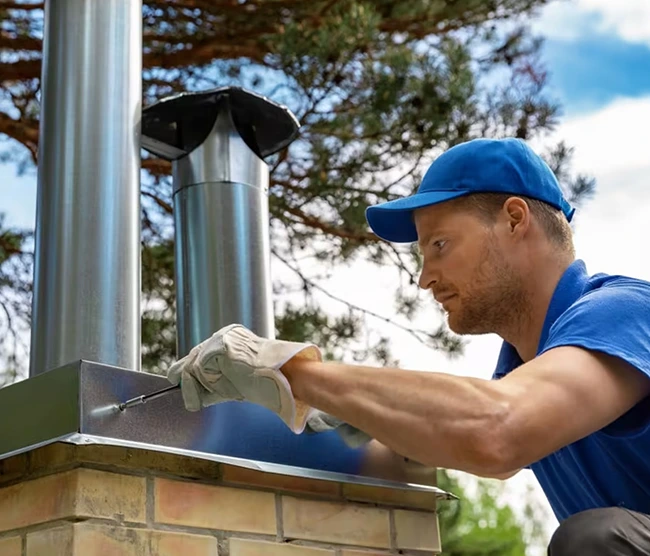
Skipping chimney cleaning and inspection in Florida creates real safety risks for your family and home.
Chimney Fires
Creosote buildup is highly flammable. When it ignites, chimney fires can reach temperatures exceeding 2,000 degrees Fahrenheit. These fires can spread to your home’s structure, cause expensive chimney damage requiring rebuilding, and create dangerous situations even if the fire doesn’t spread beyond the chimney.
Many chimney fires go undetected because they burn slowly without the dramatic flames and sounds of a full-blown fire. These slow-burning fires still damage your chimney structure and can smolder for hours, creating ongoing danger.
Carbon Monoxide Poisoning
Blocked chimneys prevent proper venting of carbon monoxide and other toxic gases. This invisible, odorless gas can build up in your home, causing flu-like symptoms at low levels and death at high concentrations. Bird nests, debris, or damaged flue liners can all create blockages that prevent proper venting.
Gas fireplaces pose particular carbon monoxide risks when not properly maintained. Many homeowners assume gas appliances are completely safe and never have them inspected, creating potentially deadly situations.
Structural Damage
Water entering through damaged chimney components causes deteriorating mortar joints that weaken the chimney structure, spalling bricks that can eventually lead to collapse, damage to the flue liner that allows heat to reach combustible materials, and interior home damage including stained ceilings, walls, and ruined insulation.
What starts as a small crack in your chimney crown can eventually cause thousands of dollars in damage to both the chimney and your home’s interior. Regular inspections catch these problems when repairs are simple and affordable.
Signs Your Chimney Needs Immediate Cleaning
Between regular maintenance appointments, watch for these warning signs that indicate your chimney needs cleaning right away.
If you notice smoke entering your home when you use the fireplace, this indicates a blockage preventing proper draft. Never continue using your fireplace if smoke backs up into your home—this is dangerous and indicates an immediate problem.
Strong, unpleasant odors from your fireplace, especially during humid weather, often signal creosote buildup, animal nests or droppings, or mold and mildew growth. These smells indicate your chimney needs professional attention.
Visible soot falling into your firebox, especially in large amounts, means heavy buildup on the flue walls. Pieces of creosote or debris falling into the firebox also indicate dangerous accumulation.
Hearing animal sounds—chirping, scratching, or rustling—from your chimney means animals have nested inside. Don’t attempt to use your fireplace until the animals are safely removed and the chimney is cleaned.
Finding a damper that’s difficult to open or close, showing significant rust, or not sealing properly indicates moisture damage and the need for inspection and likely cleaning.
DIY vs Professional Chimney Cleaning
Some homeowners consider cleaning their own chimneys to save money. While basic fireplace maintenance like removing ashes is fine for DIYers, professional chimney cleaning offers important advantages.
Professional chimney sweeps have specialized equipment including professional-grade brushes and rods, industrial vacuum systems, video inspection cameras, and safety equipment for roof work. This equipment does a thorough job that DIY methods can’t match.
Experience matters when it comes to identifying problems. Professionals can spot early signs of deteriorating mortar, recognize different types of creosote buildup, identify dangerous structural issues, and catch problems before they become emergencies. Homeowners doing their own cleaning often miss these warning signs until problems become serious.
Safety is another critical factor. Working on roofs is dangerous without proper equipment and training. Exposure to creosote and soot creates health risks without proper protective equipment. Professional sweeps are insured and trained to work safely.
Perhaps most importantly, professional cleaning includes a detailed safety inspection. DIY cleaning focuses only on removing buildup but misses the comprehensive assessment that identifies developing problems. The peace of mind that comes from a professional inspection is worth the modest cost difference.
Maintaining Your Chimney Between Professional Cleanings
While professional cleaning and inspection are essential, homeowners can take steps to maintain their chimneys between service appointments.
Use only properly seasoned hardwood in your fireplace. Wet or green wood produces more creosote and creates heavier buildup. Never burn trash, cardboard, or treated wood, as these materials create dangerous chemicals and excessive creosote.
Ensure your chimney cap is in good condition and properly installed. The cap prevents rain, debris, and animals from entering your chimney. Check it visually from the ground periodically and have it professionally inspected annually.
Clean ashes from your firebox regularly, but leave a thin layer of ash for insulation during the burning season. Dispose of ashes in a metal container and store them away from combustible materials for several days before final disposal—coals can remain hot for days.
Run your bathroom and kitchen exhaust fans while using your fireplace to help create proper draft. Never close your damper while embers are still hot, as this can cause carbon monoxide buildup.
Watch for signs of problems between professional visits and contact a chimney professional promptly if you notice issues. Early intervention prevents minor problems from becoming major issues requiring repairs and chimney cap fabrication.
Frequently Asked Questions
Do I need chimney cleaning if I only use my fireplace a few times per year?
Yes, even occasional use creates creosote buildup that poses fire hazards. Additionally, Florida’s climate means animals can nest in your chimney between uses, and moisture damage occurs whether you use the fireplace or not. Annual inspections ensure your chimney remains safe, even with light use. The inspection will determine if cleaning is necessary based on actual conditions.
How often should I have my gas fireplace chimney cleaned?
Gas fireplaces should be inspected annually even though they produce less creosote than wood-burning fireplaces. Gas appliances can develop blockages from animal nests, debris, or deteriorating flue liners. They also pose carbon monoxide risks if venting is compromised. Regular inspection ensures safe operation and catches problems early.
What time of year is best for chimney cleaning in Florida?
Late summer or early fall is ideal for chimney cleaning in Florida. This timing ensures your chimney is ready before you start using it during cooler winter months. It’s also after the primary bird nesting season has ended. However, if you notice problems at any time of year, don’t wait for the “ideal” season—have your chimney inspected and cleaned promptly.
Can I skip chimney cleaning if I never use my fireplace?
Even unused chimneys should be inspected every 2 to 3 years. Water damage, animal infestations, and structural deterioration happen whether you use your fireplace or not. An unused chimney can develop dangerous blockages or damage without your knowledge. If you decide to use the fireplace after years of non-use, a professional inspection and cleaning are essential before the first fire.
Protect Your Home with Professional Chimney Cleaning
Don’t assume your Florida chimney doesn’t need maintenance just because you don’t use it often. Regular professional cleaning and inspection protect your home from fires, carbon monoxide poisoning, water damage, and expensive repairs. The modest cost of annual maintenance is a smart investment in your family’s safety and your home’s value.
Chimney Fabrications & More provides professional chimney cleaning and inspection services throughout Northeast Florida, including Jacksonville, St. Augustine, Orange Park, Green Cove Springs, Fleming Island, Middleburg, and all of Duval, Clay, and St. Johns counties. Our certified chimney sweeps use the latest equipment and techniques to keep your chimney safe and functional.
Contact Chimney Fabrications & More today to schedule your chimney cleaning and inspection. We’ll thoroughly clean your chimney, provide a detailed safety inspection, and give you honest recommendations for any needed repairs. Don’t wait for problems to develop—call us now and ensure your chimney is safe for years to come.
