 Skip to main content
If you’re a Florida homeowner with a fireplace, you’ve probably wondered whether chimney cleaning is really necessary and what it costs. After all, we don’t use our fireplaces nearly as much as folks up north, so does it really matter? The short answer: absolutely yes, and understanding how much does chimney cleaning cost in Florida helps you budget for this essential home maintenance.
At Chimney Fabrications & More, we clean hundreds of chimneys throughout Northeast Florida every year. Whether you’re in Green Cove Springs, Jacksonville, St. Augustine, or anywhere in Clay, Duval, or St. Johns County, we’ll break down what affects cleaning costs, why regular maintenance matters even in Florida’s mild climate, and how to get the best value for your investment.
Average Chimney Cleaning Cost in Florida
Let’s get straight to the numbers. Chimney cleaning costs in Florida typically range based on the condition of your chimney, how long it’s been since your last cleaning, and what additional services you need.
| Service Type | Average Cost |
| Basic chimney sweep (standard cleaning) | $125 – $250 |
| Deep cleaning (heavy creosote buildup) | $250 – $400 |
| Inspection Level 1 (visual) | $75 – $150 |
| Inspection Level 2 (camera included) | $200 – $400 |
| Cleaning + Level 1 inspection | $175 – $350 |
| Cleaning + Level 2 inspection | $300 – $500 |
| Multi-flue cleaning | $200 – $450+ |
Most Florida homeowners pay between $175 and $300 for a standard chimney cleaning that includes a basic visual inspection. If you haven’t had your chimney cleaned in several years or you use your fireplace frequently, expect costs toward the higher end of the range.
What’s Included in a Professional Chimney Cleaning?
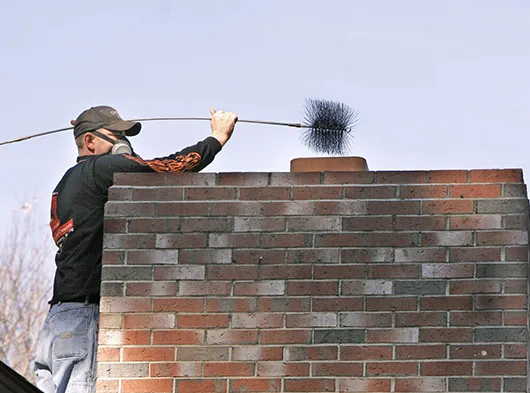
Understanding what you’re paying for helps you recognize value and avoid low-quality services. Here’s what a professional chimney sweep should include.
Thorough Flue Cleaning
The technician uses specialized brushes and equipment to remove all creosote, soot, and debris from your flue liner. This involves brushing from top to bottom (or bottom to top depending on access), ensuring the entire length of the flue is clean and clear.
Firebox Cleaning
Your firebox gets cleaned out, removing ash, unburned wood, and debris. The technician also checks the condition of the firebox, refractory panels, and damper while they’re working.
Smoke Chamber and Shelf Cleaning
These often-overlooked areas accumulate significant creosote and debris. Professional cleaning includes these critical components, not just the visible flue.
Debris Removal
All the soot, creosote, and debris removed from your chimney gets bagged and hauled away. You shouldn’t be left with a mess to clean up afterward.
Basic Visual Inspection
While cleaning, the technician inspects your chimney’s condition, looking for cracks, deterioration, blockages, animal nests, and other issues. They’ll alert you to any problems that need attention.
Drop Cloth and Cleanup
Professional chimney sweeps protect your home with drop cloths and use HEPA-filtered vacuums to contain dust and debris. Your home should be as clean when they leave as when they arrived. Get Professional Chimney Cap Fabrication in Middleberg today!
What Affects Chimney Cleaning Cost in Florida?
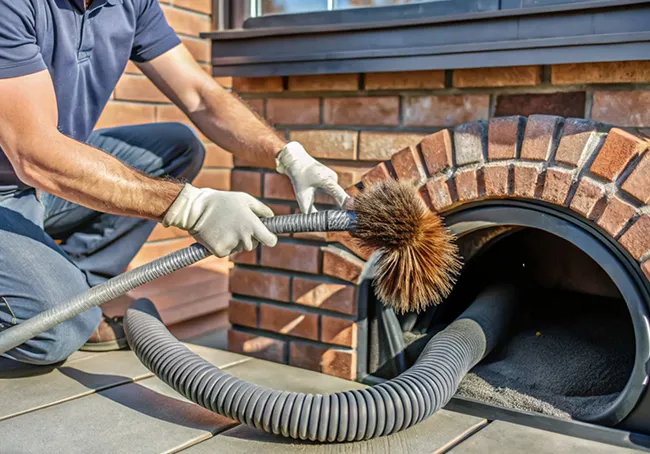
Several factors influence how much you’ll pay to have your chimney cleaned. Understanding these helps you get accurate quotes and avoid surprises.
Time Since Last Cleaning
If you have your chimney cleaned annually, the job is straightforward and falls into the standard price range. If it’s been 3, 5, or 10+ years since your last cleaning, creosote buildup will be heavier and require more time and effort to remove, increasing costs.
Frequency of Use
Chimneys that are used regularly accumulate more creosote and soot, requiring more thorough cleaning. If you burn fires weekly throughout the cooler months, expect more buildup than someone who uses their fireplace just a few times per year.
Type of Fuel Burned
Wood-burning fireplaces produce more creosote than gas fireplaces. Burning pine or other softwoods creates more buildup than hardwoods. If you’ve been burning questionable materials (cardboard, treated wood, trash—all big no-nos), cleanup will be more extensive and expensive.
We offer Expert Fireplace Installation and Repair Services.
Chimney Height and Accessibility
Single-story homes with easily accessible chimneys cost less to clean than two-story homes or chimneys that require extension ladders or difficult roof access. The taller and more complex your chimney, the more time and equipment required.
Additional Issues Discovered
Sometimes cleaning reveals problems—damaged flue liners, cracked chimney crowns, animal nests, or structural issues. Addressing these adds to your total cost but is necessary for safety. Reputable companies will always alert you to issues and get approval before proceeding with additional work.
Type of Inspection Needed
A Level 1 inspection (visual) is typically included with cleaning. If you need a Level 2 inspection (required for home sales, after chimney fires, or when making changes to your system), this involves camera equipment and costs more. Call now for Best Chimney Inspection Services.
Do Florida Homeowners Really Need Chimney Cleaning?
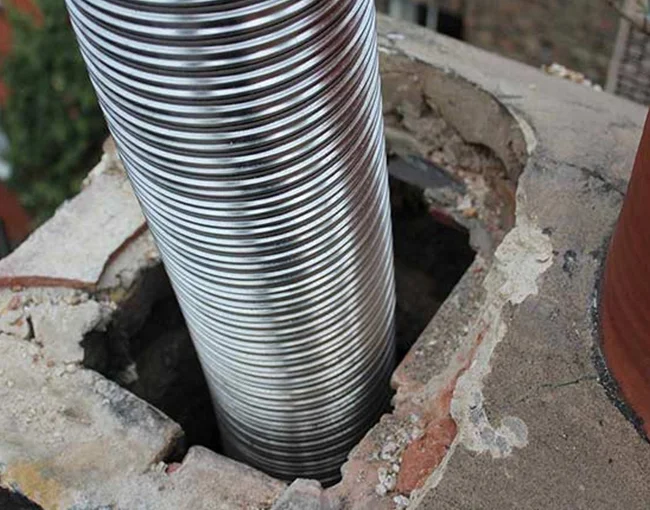
Many Florida homeowners assume chimney cleaning is only necessary in cold climates where fireplaces are used constantly. That’s a dangerous misconception.
Creosote Buildup Happens Here Too
Even if you only use your fireplace a dozen times per year, creosote still accumulates. Creosote is a highly flammable tar-like substance created when wood smoke condenses on cool chimney walls. It only takes an eighth of an inch of buildup to create a fire hazard. Florida’s humidity can actually accelerate deterioration of creosote deposits, making them more dangerous.
Wildlife Love Florida Chimneys
Our year-round warm weather means animals are constantly active and looking for shelter. Birds, squirrels, raccoons, and even snakes can nest in chimneys. These nests may trap hazardous carbon monoxide in your house, stop air ventilation and pose a fire risk. Regular cleaning removes nests and debris before they cause problems.
Moisture and Humidity Damage
Florida’s humidity causes unique chimney problems. Moisture penetrating your chimney can cause spalling (surface deterioration), rust on metal components, and deterioration of mortar joints. Annual inspections during cleaning catch these issues early before they become expensive repairs.
Carbon Monoxide Protection
Blocked or dirty chimneys can’t properly vent dangerous gases out of your home. Carbon monoxide poisoning is a real risk with any fuel-burning appliance. Regular cleaning keeps your family safe.
Home Insurance and Resale Requirements
Proof of routine chimney maintenance is often required by insurance providers. When selling your home, buyers often request chimney inspections. Keeping up with regular cleaning protects your investment and smooths the sales process.
How Often Should You Clean Your Chimney in Florida?
The National Fire Protection Association (NFPA) recommends annual chimney inspections for all homes with fireplaces, regardless of how often they’re used. Based on the inspection, cleaning may be needed.
For Florida homeowners, here’s a practical guide:
If you use your fireplace regularly (once a week or more during cooler months), have your chimney cleaned annually before the burning season starts. If you use your fireplace occasionally (a few times per season), have it inspected annually and cleaned every 1-2 years or when creosote buildup reaches 1/8 inch. If you rarely use your fireplace (once or twice a year), have it inspected annually to check for animal nests, deterioration, and blockages, with cleaning as needed.
Even if you don’t use your fireplace at all, have it inspected every few years. Animals can still nest inside, water can cause damage, and you need to verify it’s safe before you decide to use it.
Signs Your Chimney Needs Cleaning Now
Don’t wait for your annual inspection if you notice these warning signs that indicate immediate cleaning is needed.
Strong Odors
If you smell a strong, unpleasant odor from your fireplace—especially during humid weather or summer—it’s likely creosote buildup. Florida’s humidity intensifies these odors as moisture interacts with creosote deposits.
Visible Soot Buildup
Look up your chimney with a flashlight. If you see heavy black buildup on the walls or can’t see the top of the flue due to accumulation, you need cleaning immediately.
Poor Draft or Smoke Entering Your Home
If smoke doesn’t draw up the chimney properly or backs up into your room when you light a fire, your chimney is likely blocked or has significant buildup restricting airflow.
Animal Noises or Debris
Hearing chirping, scratching, or seeing twigs and leaves falling into your firebox? Animals have nested in your chimney and it needs immediate cleaning.
Flakes Falling Into Firebox
If you see black flakes (creosote) or chunks falling into your firebox, buildup has reached dangerous levels and needs professional removal.
It’s Been More Than Two Years
If you can’t remember the last time your chimney was cleaned or know it’s been several years, don’t wait any longer. Schedule cleaning before using your fireplace.
Gas Fireplace Chimney Cleaning
Many Florida homeowners assume gas fireplaces don’t need chimney cleaning. While gas produces less creosote than wood, gas fireplace chimneys still require regular maintenance.
Gas fireplaces produce water vapor and carbon dioxide that can condense in the flue, causing corrosion and deterioration. The pilot light can create soot buildup over time. Animals can still nest in gas fireplace chimneys. Debris can block proper venting of combustion gases.
Gas fireplace chimneys should be inspected annually and cleaned as needed, typically every 2-3 years. The cost is usually the same or slightly less than wood-burning chimney cleaning since there’s less buildup to remove.
What Happens During a Chimney Inspection?
Understanding the inspection process helps you know what to expect and why it matters.
Level 1 Inspection (Visual)
This is the standard inspection included with most cleanings. The technician visually examines all accessible portions of the chimney—interior, exterior, and accessible attic areas. They check for proper clearances, structural soundness, deposits, and obstructions. This level is appropriate for chimneys with no recent changes and no known issues.
Level 2 Inspection (Camera)
Required when selling your home, after a chimney fire, when making system changes, or if Level 1 reveals concerns. Includes everything in Level 1 plus video camera inspection of the flue interior, inspection of attics, crawl spaces, and concealed areas, and detailed documentation with photos or video. This level costs more but provides comprehensive assessment of your chimney’s condition.
Level 3 Inspection (Invasive)
Rarely needed and only when serious hazards are suspected. May involve removing parts of the chimney structure or building to access concealed areas. This level is expensive but necessary when Level 2 inspections reveal potentially dangerous hidden damage.
DIY Chimney Cleaning: Worth the Risk?
You can rent or buy chimney brushes and attempt to clean your chimney yourself. Some homeowners do this to save money. However, there are significant downsides to consider.
You won’t spot structural problems, damaged flue liners, or safety hazards that trained professionals identify. You risk incomplete cleaning that leaves dangerous creosote deposits. Working on your roof without proper equipment and training is dangerous—falls cause serious injuries. You’ll likely make a mess that’s harder to clean than expected. You won’t have documentation for insurance or home sales. The tools and time investment may cost as much as hiring a professional.
For most Florida homeowners, professional cleaning is worth the cost for safety, thoroughness, and peace of mind.
How to Choose a Chimney Sweep in Florida
Not all chimney sweeps provide the same quality of service. Here’s what to look for when choosing a company.
Certification and Training
Look for technicians certified by the Chimney Safety Institute of America (CSIA) or the National Chimney Sweep Guild (NCSG). These certifications require extensive training and demonstrate professional expertise.
Insurance and Licensing
Verify the company carries both liability insurance and workers’ compensation. This protects you if someone gets injured or your property is damaged during service.
Detailed Estimates
Reputable companies provide clear, written estimates before starting work. Be wary of unusually low prices—they often indicate incomplete service or pressure tactics to upsell once they’re at your home.
References and Reviews
Check online reviews, ask for local references, and verify the company’s reputation in your community. Established companies with strong track records are your safest bet.
Professional Equipment
Quality chimney sweeps use HEPA-filtered vacuums, drop cloths, proper brushes for your specific flue type, and safety equipment. They should arrive prepared with professional-grade tools, not hardware store supplies.
Money-Saving Tips for Chimney Cleaning
Chimney maintenance is important, but that doesn’t mean you should overpay. Here’s how to get the best value.
Schedule during the off-season. Late spring through early fall is slower for chimney companies, and some offer discounts during these months. Bundle services. Combining cleaning with inspection, cap installation, or minor repairs often costs less than scheduling separate visits. Maintain regular cleaning schedules. Annual cleaning prevents heavy buildup that costs more to remove and catches small problems before they become expensive repairs. Ask about senior, military, or first-time customer discounts. Many companies offer special pricing for these groups. Get multiple quotes. Compare at least three estimates to ensure you’re paying fair market rates, but remember the cheapest option isn’t always the best value.
Frequently Asked Questions
Is chimney cleaning necessary if I only use my fireplace a few times a year?
Yes. Even limited use creates creosote buildup, and Florida’s humidity and wildlife activity create additional issues. Annual inspections ensure safety regardless of usage frequency.
How long does chimney cleaning take?
Most standard cleanings take 45 minutes to 90 minutes depending on chimney size, condition, and buildup. More complex situations may take longer.
What’s the best time of year to have my chimney cleaned in Florida?
Late spring through early fall is ideal—after the cooler months when you’ve used your fireplace but before the next season begins. This timing also avoids peak demand periods.
Keep Your Chimney Safe with Professional Cleaning
Don’t gamble with your family’s safety or your home’s integrity. Regular chimney cleaning prevents fires, protects against carbon monoxide, extends your chimney’s lifespan, and gives you peace of mind every time you light a fire.
Chimney Fabrications & More serves homeowners throughout Northeast Florida, including Green Cove Springs, Jacksonville, St. Augustine, Orange Park, Fleming Island, and all of Clay, Duval, and St. Johns Counties. Our CSIA-certified technicians provide thorough cleaning, honest assessments, and quality service at fair prices.
Contact Chimney Fabrications & More today to schedule your chimney cleaning and inspection. We’ll ensure your chimney is clean, safe, and ready to provide warmth and ambiance for years to come. Don’t wait until problems develop—call now and protect your home with professional chimney maintenance.
