 Skip to main content
If you’re scheduling your first chimney inspection or trying to understand what your chimney professional will actually do during a service visit, you’re probably wondering: what is included in a chimney inspection? Understanding what inspectors check, the different inspection levels, and what you’re paying for helps you make informed decisions about your chimney maintenance and ensures you’re getting the thorough service your home deserves.
At Chimney Fabrications & More, we provide comprehensive chimney inspections throughout Northeast Florida following National Fire Protection Association (NFPA) standards. Whether you need a basic annual inspection or a detailed assessment before buying a home, knowing what each inspection level includes helps you choose the right service for your situation and budget.
Understanding NFPA Chimney Inspection Levels
The National Fire Protection Association establishes three distinct levels of chimney inspection, each designed for specific situations. Understanding these levels is crucial because they determine what’s inspected, how thoroughly, and ultimately what you’ll pay.
The NFPA standards aren’t arbitrary—they’re based on decades of chimney safety research and designed to catch problems before they become dangerous or expensive. Insurance companies, real estate transactions, and chimney professionals across the country use these standards to ensure consistent, thorough inspections.
Here’s what you need to know about each inspection level and when you need them.
Comparing Chimney Inspection Costs
Understanding the cost differences between inspection levels helps you budget appropriately.
| Inspection Level | Cost Range | Best For | Typical Duration |
| Level 1 (Visual) | $100 – $200 | Annual maintenance, no known issues | 30 – 45 minutes |
| Level 2 (Video) | $200 – $400 | Home sales, post-storm, fuel changes | 60 – 90 minutes |
| Level 3 (Invasive) | $500 – $1,500+ | Serious damage suspected | 2+ hours plus repair time |
While Level 2 and 3 inspections cost more than Level 1, they provide crucial information in specific situations. The additional cost is a smart investment when buying a home or after events that could have damaged your chimney.
Level 1 Chimney Inspection: Standard Annual Maintenance
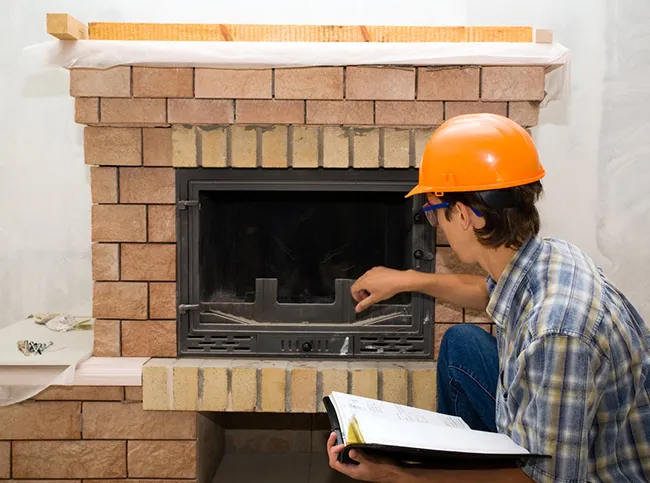
A Level 1 inspection is the most basic chimney inspection and suitable for chimneys that are regularly maintained and showing no signs of problems. This is what most homeowners need for annual maintenance when nothing has changed about their chimney system.
When You Need a Level 1 Inspection
You need a Level 1 inspection when you’re scheduling routine annual maintenance, your chimney has had no recent changes or damage, you’ve been using your fireplace normally with no issues, and there’s no history of chimney problems. This inspection verifies that your chimney continues to operate safely under normal conditions.
What’s Included in Level 1 Inspection
The inspector performs a visual examination of readily accessible portions of your chimney system. This includes inspecting the exterior chimney structure for cracks or damage, checking the chimney cap for proper function and condition, examining the chimney crown for cracks or deterioration, verifying flashing is intact and properly sealed, inspecting visible portions of the flue liner, checking damper operation and condition, examining the firebox and hearth, and looking for signs of water intrusion or animal activity.
The inspector uses a flashlight to look up the flue from the firebox and down the flue from the top to verify the flue is clear and the liner appears intact. However, they don’t use cameras or remove any components during a Level 1 inspection.
Level 1 Inspection Cost
Level 1 inspections typically cost between $100 and $200 in Florida. This is the most affordable inspection option and often bundled with chimney cleaning services. Many chimney companies include a basic Level 1 inspection as part of their standard cleaning service.
Level 1 Inspection Limitations
A Level 1 inspection only examines readily visible and accessible areas. The inspector cannot see the entire length of the flue interior, hidden damage behind walls or in attic spaces, or problems with the chimney structure that aren’t visible from outside. If the inspector spots potential concerns during a Level 1 inspection, they’ll recommend upgrading to a Level 2 inspection for more thorough evaluation.
Level 2 Chimney Inspection: Video Camera Inspection
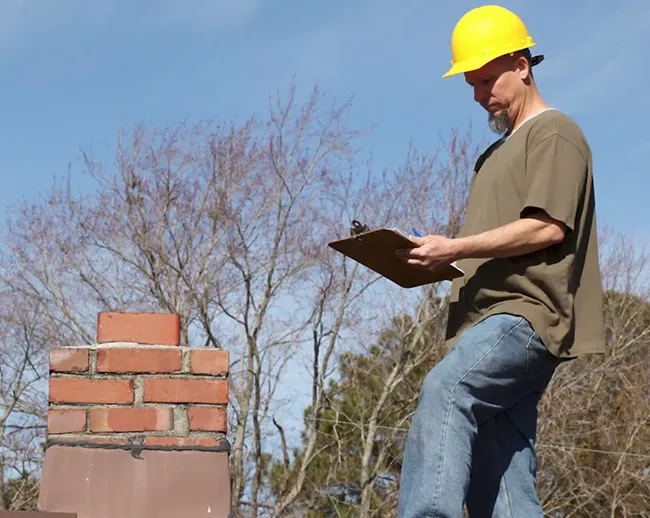
A Level 2 inspection includes everything in a Level 1 inspection plus video inspection of the flue interior using specialized cameras. This more comprehensive inspection is required in several specific situations.
When You Need a Level 2 Inspection
You need a Level 2 inspection when you’re buying or selling a home, after any chimney fire or external fire near the chimney, following severe weather events like hurricanes or tornadoes, when changing the type of fuel you burn, after any modification to the chimney system, if you’re adding a fireplace insert or new appliance, when visible damage is present but extent is unknown, or if performance problems develop like smoke backing up into the home.
Real estate transactions almost always require Level 2 inspections because buyers and lenders need to verify the chimney’s condition before closing. This inspection provides documentation that protects both parties.
What’s Included in Level 2 Inspection
A Level 2 inspection includes all Level 1 inspection components plus video inspection of the entire flue interior from top to bottom. The inspector uses specialized cameras to examine every accessible portion of the flue, looking for cracks in the flue liner, deterioration of mortar joints, blockages or obstructions, creosote buildup levels, and any damage not visible during visual inspection.
The inspector also examines accessible portions of the chimney in attics, crawl spaces, and basements. They check areas where the chimney passes through the house structure and examine connections between the chimney and building structure. This more thorough inspection identifies problems that visual-only inspection would miss.
Level 2 Inspection Cost
Level 2 inspections typically cost between $200 and $400 in Florida. The higher cost reflects the specialized camera equipment required and the additional time needed for thorough video inspection. However, this investment provides crucial documentation for real estate transactions and catches hidden problems before they cause serious damage.
What the Video Inspection Reveals
The video camera inspection reveals the true condition of your flue liner interior. Inspectors can identify hairline cracks that allow heat and gases to escape, gaps in mortar joints between flue tiles, deterioration from years of use, blockages from animal nests or debris, and creosote buildup levels throughout the flue.
The inspector typically provides video footage or photographs showing any problems discovered. This documentation is invaluable for insurance claims, real estate transactions, and planning necessary repairs.
Call us for Expert Chimney Brick Repairs in Green Cove Springs, FL today.
Level 3 Chimney Inspection: Comprehensive Structural Evaluation
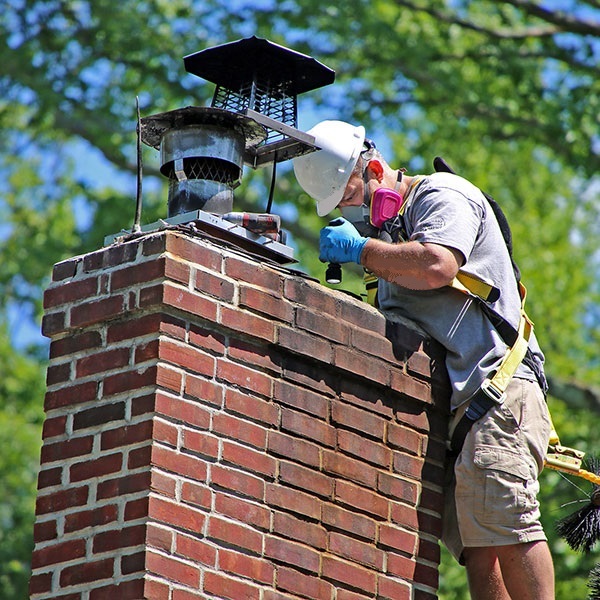
A Level 3 inspection is the most comprehensive and invasive chimney inspection. This level is only performed when serious hazards are suspected and portions of the chimney or building structure must be removed to access hidden areas.
When You Need a Level 3 Inspection
You need a Level 3 inspection when Level 2 inspection reveals serious concerns requiring further investigation, after a significant chimney fire with suspected liner damage, when major structural damage is suspected, if the chimney has experienced severe deterioration, or when hidden damage must be accessed for repair planning.
Most homeowners never need a Level 3 inspection. It’s reserved for serious situations where safety depends on understanding the full extent of hidden damage.
What’s Included in Level 3 Inspection
A Level 3 inspection includes all Level 1 and Level 2 components plus removal of portions of the chimney structure or building to access hidden areas. This might involve removing chimney chase covers, taking apart sections of chimney, removing interior or exterior wall covering, accessing sealed attic or crawl space areas, or dismantling portions of the firebox or hearth.
The inspector examines areas that cannot be accessed any other way, looking for hidden structural damage, extent of fire or water damage, condition of the chimney structure behind walls, and any safety hazards not visible through standard inspection methods.
Level 3 Inspection Cost
Level 3 inspections typically cost between $500 and $1,500 or more, depending on the extent of disassembly required. This cost reflects the labor involved in removing and replacing building components, specialized expertise required, and time needed for thorough examination and documentation.
The high cost is justified only when serious safety concerns exist and there’s no other way to assess the damage. Often, Level 3 inspections are performed as part of major repair projects where the chimney is already being partially dismantled. Hire Chimney Siding Repair Specialists in Yulee, FL Today!
What Every Chimney Inspection Should Include
Regardless of inspection level, certain elements should be part of every professional chimney inspection.
Detailed Written Report
You should receive a comprehensive written report documenting all findings from the inspection. This report should include a description of the inspection level performed, detailed findings for each chimney component, photographs or video evidence of any problems, specific recommendations for repairs or maintenance, safety concerns identified, and a timeline for addressing any issues discovered.
This documentation is crucial for your records, insurance purposes, and real estate transactions. Never accept a verbal-only inspection report—always get written documentation.
Safety Assessment
Every inspection should include assessment of your chimney’s safety. The inspector should identify any immediate safety hazards, evaluate carbon monoxide risks, check for fire hazards, verify proper clearances from combustible materials, and confirm your chimney meets current safety codes.
If safety issues are discovered, the inspector should clearly explain the risks and urgency of needed repairs.
Professional Recommendations
A quality inspection includes honest professional recommendations for maintaining or improving your chimney. The inspector should explain necessary immediate repairs, suggest preventive maintenance, recommend upgrades that improve safety or efficiency, and provide a maintenance schedule for future care.
Beware of inspectors who find expensive problems on every inspection or pressure you into immediate unnecessary repairs. Reputable professionals provide honest assessments and explain why recommendations matter.
Chimney Components Inspected at Each Level
Understanding what specific components get inspected at each level helps you know what you’re paying for.
Exterior Chimney Structure
All inspection levels examine the exterior chimney structure, including brick or stone masonry for cracks, spalling, or deterioration, mortar joints for gaps or deterioration, overall structural stability, and proper height above the roofline. Level 2 and 3 inspections may use additional tools or access methods to examine areas not visible during basic inspection.
Chimney Cap and Crown
Inspectors check your chimney cap for rust, damage, or deterioration, proper installation and secure mounting, appropriate mesh size to prevent animal entry, and adequate overhang for water protection. The chimney crown inspection looks for cracks or deterioration, proper slope for water drainage, and adequate overhang beyond the chimney walls.
Flashing and Roofline Connections
All inspections examine flashing where your chimney meets your roof, checking for rust or corrosion, proper installation and seal, gaps or separation, and signs of water intrusion. In Florida’s wet climate, failed flashing is a common source of leaks.
Flue Liner
Level 1 inspections visually examine accessible portions of the flue liner. Level 2 inspections use cameras to examine the entire flue interior, identifying cracks or gaps, deterioration of clay tiles or metal liner, creosote buildup, blockages, and proper sizing for your appliance.
Damper and Smoke Chamber
Inspectors check damper operation and seal, rust or deterioration, proper opening size, and the smoke chamber for cracks or damage. These components are critical for safe, efficient fireplace operation.
Firebox and Hearth
All inspections examine the firebox for cracks in the firebrick, deteriorating mortar, proper clearances, and the hearth for damage, proper extension, and heat protection.
Florida-Specific Inspection Considerations
Living in Florida means your chimney faces unique challenges that inspectors specifically look for during inspections.
Water Damage and Moisture Issues
Florida’s high humidity and heavy rainfall make water damage one of the most common chimney problems. Inspectors pay special attention to rust on metal components, water staining, efflorescence on masonry, mold or mildew growth, and deterioration from moisture exposure.
Hurricane and Storm Damage
After major storms, inspectors look for wind damage to chimney caps, cracks in chimney crowns from debris impact, loosened flashing, and structural damage from high winds. Even if damage isn’t immediately visible, post-storm inspections catch problems before they worsen.
Wildlife Infestations
Florida’s year-round warm climate means animals constantly seek chimney shelter. Inspectors check for bird nests, squirrel activity, evidence of raccoons or other animals, and damaged or missing screening. They also verify chimney caps have proper mesh to prevent future infestations.
Coastal Corrosion
Homes near beaches or waterways face accelerated corrosion from salt air. Inspectors familiar with coastal Florida look for rust on caps and dampers, corrosion of metal flashing, and accelerated deterioration of metal components.
How Often Should You Have Your Chimney Inspected?
The NFPA recommends annual chimney inspections for all chimneys, fireplaces, and vents regardless of how often they’re used. Here’s a practical guide for Florida homeowners.
If you use your fireplace regularly during winter months, schedule annual Level 1 inspections before the burning season begins. This ensures your chimney is safe before you start using it.
For occasional users who light just a few fires per year, annual inspections are still recommended to catch problems early. Even light use produces creosote and doesn’t prevent deterioration or animal activity.
Even if you never use your fireplace, inspections every 2 to 3 years identify water damage, structural problems, and animal infestations. An unused chimney can still develop dangerous conditions.
Schedule Level 2 inspections when buying or selling a home, after severe weather events, when making any changes to your chimney system, or if problems develop between regular inspections.
What Happens After the Inspection
After your inspection is complete, you should understand exactly what happens next and what decisions you need to make.
The inspector provides a detailed written report explaining all findings, necessary repairs with priority levels, estimated costs for recommended work, and a timeline for addressing issues. Take time to read and understand this report. Ask questions about anything unclear.
If repairs are needed, get multiple quotes from qualified professionals. Use the inspection report to ensure all bidders address the same issues. Don’t feel pressured to use the inspection company for repairs—you can hire any qualified chimney professional.
For minor issues, schedule repairs promptly to prevent problems from worsening. For major repairs, budget appropriately and prioritize based on safety concerns. If your chimney passes inspection with no issues, maintain your regular inspection schedule and follow recommended maintenance practices.
Frequently Asked Questions
What is the difference between Level 1 and Level 2 chimney inspection?
Level 1 inspection is a visual examination of readily accessible areas suitable for routine annual maintenance when nothing has changed. Everything in Level 1 is included in Level 2, along with a video camera inspection of the entire interior of the flue and an analysis of the accessible crawl space and attic areas. Level 2 is required for real estate transactions, after storms or chimney fires, and when making any changes to your chimney system.
How much does a chimney camera inspection cost?
Chimney camera inspection (Level 2) typically costs $200 to $400 in Florida. This price includes the visual inspection components plus video examination of your entire flue using specialized cameras. You should receive video footage or photographs documenting the flue’s condition, making this a valuable investment for real estate transactions or when problems are suspected.
Do I need a Level 2 inspection when buying a home?
Yes, Level 2 inspections are strongly recommended and often required for real estate transactions. Lenders and home inspectors typically require Level 2 chimney inspections because they reveal hidden problems that visual inspection misses. The $200 to $400 cost is minimal compared to discovering expensive chimney problems after closing. Always insist on Level 2 inspection when buying a home with a fireplace.
How long does a chimney inspection take?
Level 1 inspections typically take 30 to 45 minutes. Level 2 inspections with video camera work take 60 to 90 minutes. Level 3 inspections requiring disassembly can take several hours or more depending on what needs to be accessed. The inspector should provide a written report after completing the inspection, though detailed reports may be sent within 24 to 48 hours.
Protect Your Home with Professional Chimney Inspection
Regular professional chimney inspections catch problems early when repairs are simple and affordable, prevent dangerous chimney fires and carbon monoxide issues, verify your chimney operates safely and efficiently, and provide documentation for insurance and real estate purposes. The modest cost of annual inspection is a smart investment in your family’s safety and your home’s value.
Chimney Fabrications & More provides all three levels of inspections throughout Northeast Florida, including Jacksonville, St. Augustine, Orange Park, Green Cove Springs, Fleming Island, Middleburg, and all of Duval, Clay, and St. Johns counties. Our certified inspectors use the latest video inspection technology and provide detailed written reports you can trust.
Contact Chimney Fabrications & More today to schedule your chimney inspection. We’ll recommend the appropriate inspection level for your situation, conduct a thorough examination, and provide honest recommendations with transparent pricing. Don’t wait for problems to become emergencies—call us now for the professional chimney inspection your home deserves.
