 Skip to main content
If you’re researching chimney caps and came across self-cleaning models, you’re probably wondering whether these innovative products actually deliver on their promises. Self-cleaning chimney caps represent an exciting advancement in chimney technology, combining traditional rain and animal protection with features designed to reduce creosote buildup and maintenance needs. But do they work as advertised, and are they worth the investment for Florida homeowners?
At Chimney Fabrications & More, we help Northeast Florida homeowners navigate the expanding world of chimney cap technology, from traditional designs to cutting-edge self-cleaning and smart chimney caps with sensors. In this comprehensive guide, we’ll explore how self-cleaning chimney caps work, compare them to traditional options, and help you decide if this technology makes sense for your home.
What Is a Self-Cleaning Chimney Cap?
A self-cleaning chimney cap is designed to reduce creosote buildup on the cap itself through specialized engineering and materials. Unlike traditional chimney caps that accumulate soot and creosote requiring periodic cleaning or replacement, self-cleaning caps use specific design features to minimize this accumulation.
The term “self-cleaning” can be somewhat misleading. These caps don’t eliminate the need for regular chimney sweeping or maintenance—your flue still accumulates creosote that requires professional cleaning. What self-cleaning caps do is keep the cap itself cleaner longer, preventing blockages at the chimney top that can restrict airflow and create dangerous conditions.
How Self-Cleaning Technology Works
Most self-cleaning chimney caps use one or more of these technologies. Heat-resistant coatings create surfaces where creosote has difficulty adhering. These specialized coatings withstand high temperatures while preventing the sticky tar-like creosote from bonding strongly to the metal surface.
Aerodynamic designs channel heat and airflow in ways that prevent creosote accumulation. By controlling how smoke and heat exit the chimney, these designs minimize cool zones where creosote typically condenses and sticks.
Catalytic surfaces in some advanced models use materials that help break down or prevent creosote formation at the molecular level, similar to catalytic converters in vehicles. These represent the cutting edge of chimney cap technology.
Rain-activated cleaning features use rainfall to help wash away light soot and debris that does accumulate, maintaining better airflow between uses. The cap’s design channels rainwater across surfaces to provide natural cleaning action. Get Expert Chimney Cap Repairs Today.
Self-Cleaning Caps vs Traditional Chimney Caps
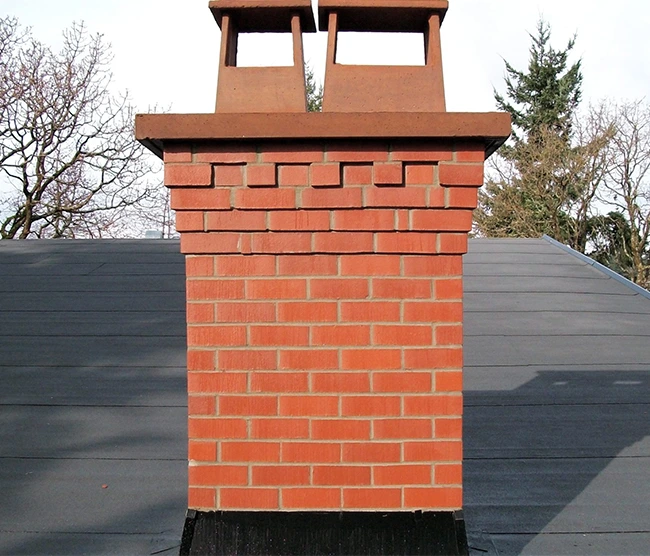
Understanding the differences between self-cleaning and traditional caps helps you make an informed decision about which is right for your home.
Traditional Chimney Caps
Traditional chimney caps provide excellent protection against rain, animals, debris, and downdrafts. They’re proven technology that’s protected homes for decades. However, traditional caps gradually accumulate creosote and soot, especially with regular fireplace use. This buildup can eventually restrict airflow, and caps with heavy accumulation may need cleaning or replacement every few years depending on use frequency.
Traditional caps remain the most cost-effective choice for most homeowners, with stainless steel options costing $200 to $450 installed and providing 20 to 30 years of service with minimal maintenance.
Self-Cleaning Chimney Caps
Self-cleaning caps offer the same core protection as traditional caps—keeping out rain, animals, and debris—while reducing maintenance needs. The cap itself stays cleaner longer, maintaining optimal airflow and potentially extending the time between chimney services.
However, self-cleaning caps typically cost $400 to $800 or more installed, depending on size and technology. This premium pricing reflects advanced materials, specialized engineering, and newer technology. The higher upfront cost may be offset by reduced maintenance over the cap’s lifetime, though this depends on how frequently you use your fireplace. We offer Best Chimney Cleaning Services in Orange Park, FL.
Smart Chimney Caps with Sensors: The Future of Chimney Technology
Beyond self-cleaning features, the newest innovation in chimney technology is smart chimney caps with integrated sensors and monitoring capabilities. These represent the cutting edge of home safety technology for 2026.
What Smart Chimney Caps Monitor
Advanced smart chimney caps can track multiple parameters including creosote buildup levels using sensors that detect accumulation, temperature monitoring to identify dangerous overheating or potential chimney fires, carbon monoxide detection at the chimney top, airflow measurement to identify blockages or restrictions, and weather conditions like wind speed and rain that affect chimney performance.
These caps connect to your smartphone via WiFi or Bluetooth, providing real-time alerts about potential problems. Imagine receiving a notification that creosote levels are approaching dangerous levels or that your chimney temperature is spiking unexpectedly—you can address problems before they become emergencies.
Smart Chimney Cap Pricing and Availability
Smart chimney caps with sensor technology are still relatively new, with prices typically ranging from $600 to $1,200 or more depending on features. Availability is growing as more manufacturers enter this emerging market. While adoption is still in early stages, tech-savvy homeowners and those prioritizing cutting-edge safety features are increasingly interested in these products.
Installation requires proper WiFi connectivity and often professional setup to ensure sensors are calibrated correctly. Not all chimney professionals are familiar with smart cap installation yet, so finding experienced installers is important.
Best Chimney Cap for Rain Protection in Florida
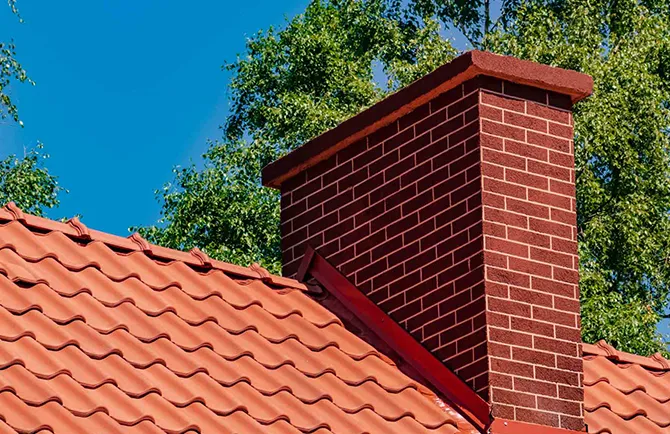
For Florida homeowners, rain protection is the primary concern given our climate. Let’s examine what makes a chimney cap effective against our intense rainfall and how different materials perform.
Essential Rain Protection Features
Effective rain protection requires several key design elements. Adequate overhang beyond the flue opening prevents rain from entering even during wind-driven storms. The cap should extend at least 4 to 6 inches beyond the flue in all directions.
Proper slope on the cap top sheds water quickly and prevents pooling. A steep pitch works better than a flat top, especially during Florida’s intense thunderstorms. Weather-tight construction with well-sealed joints prevents water from seeping through the cap itself. Quality manufacturing ensures no gaps where water can penetrate.
Extended drip edges direct water away from the chimney structure rather than allowing it to run down the chimney sides. This protects both the cap mounting and the chimney crown below.
Material Comparison for Rain Protection
Different materials perform differently in Florida’s wet climate. Stainless steel offers excellent rain protection as it doesn’t rust, maintains structural integrity when wet, handles temperature changes without warping, and provides decades of reliable service. For Florida homes, stainless steel is typically the best choice regardless of whether you choose traditional or self-cleaning designs.
Copper provides superior rain protection and never rusts. It develops a protective patina over time that actually enhances its weather resistance. Copper caps can last 50 years or more in wet climates. However, the higher cost and potential for theft are considerations.
Galvanized steel is the most affordable option but performs poorly in Florida’s humid, rainy climate. These caps rust quickly, often within 5 to 10 years, and rust accelerates dramatically once it starts. For long-term rain protection, galvanized steel is a poor investment despite the lower upfront cost.
Call us today for Professional Chimney Cap Installation in Amelia Island, FL
Stainless Steel vs Copper Chimney Cap: Detailed Comparison
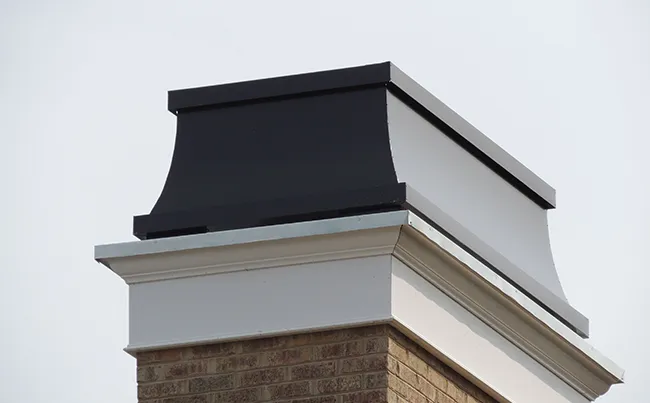
Choosing between stainless steel and copper is one of the most common decisions homeowners face. Both are excellent materials, but each has distinct advantages.
Stainless Steel Chimney Caps
Stainless steel offers the best value for most Florida homeowners. It provides excellent corrosion resistance in humid coastal climates, handles salt air exposure near beaches and waterways, withstands hurricane-force winds when properly installed, requires virtually no maintenance, and typically lasts 20 to 30 years. Pricing is moderate at $250 to $500 installed for quality single-flue caps.
Stainless steel’s durability in Florida’s challenging environment, combined with reasonable pricing, makes it the most popular choice for residential installations. The material maintains its appearance and function with minimal attention throughout its lifespan.
Copper Chimney Caps
Copper represents the premium choice with exceptional longevity, often lasting 50 years or more. Copper never rusts and develops a distinctive green patina over time that many homeowners find attractive. This patina actually protects the copper and enhances its durability.
Copper is ideal for historic homes, luxury properties, and homeowners who want the absolute best materials regardless of cost. The superior durability means copper caps often outlast the homes they protect.
However, copper costs significantly more, typically $450 to $900 or more installed. The higher price is justified for homeowners planning to stay in their homes long-term or those who value premium materials and appearance. Copper’s resale value also makes it a theft target in some areas, which is a consideration for certain neighborhoods.
Which Material Is Right for You?
For most Florida homeowners, stainless steel provides the best combination of performance, longevity, and value. Choose copper if you’re restoring a historic home, want the absolute longest-lasting option, appreciate the distinctive patina appearance, or have budget flexibility for premium materials.
Both materials far outperform galvanized steel in Florida’s climate. The small additional investment in stainless steel or copper over galvanized pays for itself through dramatically longer service life and better performance. Get Expert Fireplace Maintenance Services in St. Augustine, FL Today!
Multi-Flue Chimney Caps: Protecting Complex Chimney Systems
Homes with multiple fireplaces, a fireplace plus a furnace, or other configurations often have chimneys with multiple flue openings. These require special multi-flue chimney caps.
What Are Multi-Flue Chimney Caps?
Multi-flue caps are single units designed to cover chimney tops with two or more separate flue openings. Rather than installing individual caps on each flue, one larger cap protects the entire chimney top. This provides several advantages including more effective weather protection, cleaner appearance, often lower cost than multiple individual caps, and better structural stability against high winds.
Multi-Flue Cap Considerations
Proper fit is crucial for multi-flue caps. The cap must be large enough to cover all flue openings with adequate clearance while maintaining proper overhang for weather protection. Custom fabrication is often necessary for unusual chimney configurations.
Each flue must maintain independent venting—the cap design cannot allow exhaust from one flue to enter another. This is especially critical when different appliances (like a fireplace and furnace) share the same chimney.
Multi-flue caps typically cost $450 to $900 installed depending on size and material. While more expensive than single-flue caps, this is usually less than purchasing and installing multiple individual caps.
Self-Cleaning Technology in Multi-Flue Caps
Self-cleaning multi-flue caps are available but less common than single-flue versions. The larger size and more complex design make these premium products with prices typically starting around $700 and going up to $1,500 or more for advanced designs.
For homes with multiple heavily-used fireplaces, the self-cleaning feature may provide greater value by reducing maintenance needs across multiple flues simultaneously.
Installation Considerations for Advanced Chimney Caps
Whether you’re installing traditional, self-cleaning, or smart chimney caps, proper installation is crucial for performance and longevity.
Professional Installation Benefits
Professional installation ensures proper sizing for your specific chimney configuration, secure mounting that withstands Florida’s hurricane-force winds, correct positioning for optimal rain protection and draft, proper sensor calibration for smart caps, and warranty compliance—many manufacturers require professional installation.
Professional installers also inspect your chimney during installation, identifying problems like damaged crowns, deteriorating flashing, or structural issues that need attention.
Installation Costs
Installation labor typically adds $75 to $200 for standard caps, $150 to $300 for multi-flue caps requiring custom mounting, and $200 to $400 for smart caps needing sensor calibration and connectivity setup. These costs are in addition to the cap itself.
While DIY installation is possible for experienced homeowners, the risks of improper installation—caps blowing off during storms, inadequate weather protection, voided warranties, and missed opportunities to identify other chimney problems—usually outweigh the labor savings.
Maintaining Your Chimney Cap: Traditional and Self-Cleaning
Even self-cleaning caps require some maintenance, though typically less than traditional designs.
Traditional Cap Maintenance
Traditional chimney caps should be inspected annually as part of your regular chimney maintenance. Check for rust or corrosion, creosote or soot accumulation, damage to mesh screening, secure mounting, and proper cap positioning.
Light cleaning with a wire brush can often be performed during chimney sweeping to remove accumulated soot and maintain optimal performance. Heavily soiled caps may need replacement every 10 to 15 years depending on use frequency and maintenance.
Self-Cleaning Cap Maintenance
Self-cleaning caps require less frequent hands-on maintenance but still need annual inspection to verify the cap remains securely mounted, check for any damage, ensure mesh screening is intact, and confirm self-cleaning features are working properly.
The reduced maintenance burden is most noticeable for homeowners who use their fireplaces frequently. Light users may not see significant maintenance differences between traditional and self-cleaning caps since accumulation is minimal with infrequent use.
Smart Cap Maintenance
Smart chimney caps require traditional maintenance plus monitoring sensor function, verifying connectivity and alerts work properly, updating firmware as manufacturers release improvements, and replacing batteries if not hardwired. The monitoring capabilities can actually reduce overall maintenance by alerting you to problems before they require emergency service.
Are Self-Cleaning and Smart Caps Worth the Investment?
The value proposition depends on your specific situation and priorities.
When Self-Cleaning Caps Make Sense
Self-cleaning caps are worth considering if you use your fireplace frequently throughout the winter, have experienced cap blockage problems in the past, want to minimize maintenance requirements, or value cutting-edge technology. The premium pricing is most justified for heavy users who would otherwise need more frequent cap cleaning or replacement.
For occasional users who light just a few fires per year, the additional cost may not be justified. Traditional high-quality stainless steel caps with proper maintenance will serve these homeowners well at lower cost.
When Smart Caps Make Sense
Smart chimney caps appeal to homeowners who prioritize safety monitoring, appreciate smart home technology integration, want early warning of potential problems, or have rental properties where remote monitoring adds value. The technology is still emerging, so early adopters should expect ongoing development and potential growing pains with connectivity or software updates.
For tech-savvy homeowners and those who want the absolute latest in safety technology, smart caps represent an exciting option despite the premium pricing.
Frequently Asked Questions
Do self-cleaning chimney caps really work?
Self-cleaning chimney caps do reduce creosote and soot accumulation on the cap itself through specialized coatings and designs. However, they don’t eliminate the need for regular chimney sweeping—your flue still accumulates creosote that requires professional cleaning. Self-cleaning caps are most beneficial for homeowners who use their fireplaces frequently, as they help maintain optimal airflow longer between services.
What is the best chimney cap material for Florida weather?
Stainless steel is the best choice for most Florida homeowners, offering excellent corrosion resistance, durability in humid coastal climates, and 20 to 30 years of service at reasonable cost. Copper is the premium option with 50+ year lifespan but costs significantly more. Avoid galvanized steel in Florida—it rusts quickly in our humid climate and requires replacement within 5 to 10 years.
Are smart chimney caps worth the cost?
Smart chimney caps are worth considering for homeowners who value safety monitoring, want early warning of potential problems, or appreciate smart home technology integration. Prices range from $600 to $1,200+ installed. The technology is still emerging but offers genuine safety benefits through real-time monitoring of creosote levels, temperature, and airflow. For traditional homeowners focused purely on cost-effectiveness, quality traditional caps with regular professional inspection remain the better value.
How much does a multi-flue chimney cap cost?
Multi-flue chimney caps typically cost $450 to $900 installed for standard stainless steel designs. Custom sizes or premium materials like copper can cost more. Self-cleaning multi-flue caps start around $700 and can exceed $1,500 for advanced models. While more expensive than single-flue caps, multi-flue caps usually cost less than purchasing multiple individual caps and provide better weather protection for complex chimney systems.
Choose the Right Chimney Cap for Your Florida Home
Whether you opt for proven traditional technology, innovative self-cleaning features, or cutting-edge smart monitoring, choosing the right chimney cap protects your home from water damage, animal infestations, and costly repairs. The key is selecting the option that matches your usage patterns, budget, and priorities.
Chimney Fabrications & More stays current with the latest chimney cap technology while maintaining expertise in traditional proven solutions. We serve homeowners throughout Northeast Florida, including Jacksonville, St. Augustine, Orange Park, Green Cove Springs, Fleming Island, and all of Duval, Clay, and St. Johns counties. Our experienced technicians can help you evaluate which cap technology best suits your home and budget.
Contact Chimney Fabrications & More today for expert advice on chimney cap selection and professional installation. We’ll assess your chimney, explain your options including traditional, self-cleaning, and smart cap technologies, and provide honest recommendations with transparent pricing. Protect your home with the right chimney cap technology—call us now for a free consultation.
